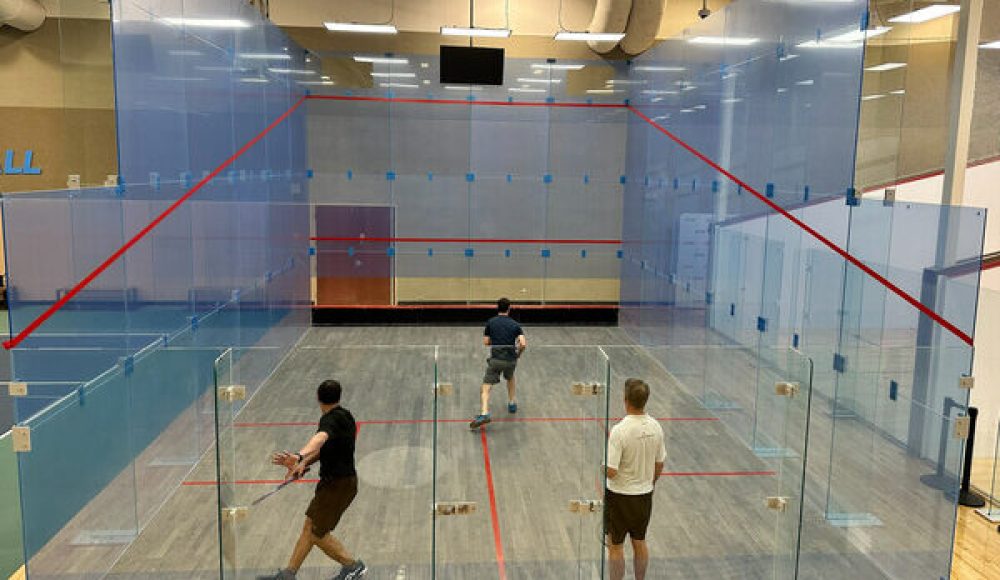
For decades, the architectural blueprints of professional sports complexes have followed a strict, unwritten rule: squash courts must be sealed windowless boxes. While modern architectural trends celebrate expansive glass facades and open layouts, squash court design has traditionally remained isolated from the outside world.
The World Squash Federation (WSF) Specification Guidelines explicitly state that natural light should be restricted in the playing area, recommending constant artificial illumination instead. Historically, safety concerns, environmental controls, and the need for uniform playing conditions have made natural light a controversial topic in facility design.
However, as sustainable architecture and low-carbon modular sports infrastructure evolve, designers are re-evaluating this traditional rule. By pairing modern daylighting techniques with advanced LED technology, it is now possible to introduce natural light into specific areas of the facility without compromising the integrity of the game. This guide examines the challenges of traditional daylighting in squash facilities, analyzes strategies to mitigate glare, and explores the potential of controlled natural light in modern court design.
1. The Core Obstacles of Natural Daylighting in Squash Infrastructure
In a sport where a tiny, $40\text{mm}$ black rubber ball travels at speeds exceeding $200\text{ km/h}$, visual clarity is essential for player safety and performance. Introducing untreated, direct sunlight into a court can create several distinct visual disruptions:
| Visual & Environmental Challenge | Direct Impact on Player Performance | Traditional Design Solution | Modern Architectural Innovation |
| Direct Sunlight Glare | Blinds players mid-swing; obscures the trajectory of the ball. | Complete elimination of natural light via windowless concrete boxes. | External louvers, motorized sunshades, and North-facing clerestory天窗 profiles. |
| Dynamic Light Shifts | Disrupts depth perception and alters reaction times as clouds pass. | Relying entirely on fixed-output artificial lights. | Daylight-responsive sensors paired with automated LED dimming arrays. |
| High-Contrast Hotspots & Shadows | Creates alternating bright and dark patches, making the ball difficult to track. | Static, evenly distributed ceiling light fixtures. | Light-diffusing matte glass walls and omnidirectional indirect light wells. |
| Time-of-Day Accessibility Limits | Natural light offers no benefit for late-evening matches or nighttime leagues. | Standard high-output floodlights running 100% of the time. | Smart hybrid lighting systems that balance solar gain with artificial power. |
2. Moving Beyond the “Constant Light Myth”: The Physics of Controlled Daylighting
For years, court builders assumed that the only way to ensure uniform playing conditions was to completely block out the sun. However, modern sports engineering is proving that entirely shielding a court from daylight is no longer the only way to maintain a fair, high-performance environment.
 Direct Sunlight Entry:      [Raw Sun Beams]    ──> [Standard Window Glass] ──> ❌ Blinding Glare / Dark Shadows
 Controlled Daylighting:      [Ambient Sunlight] ──> [Light-Diffusing Polycarbonate] ──> ♻️ Uniform, Glare-Free Glow
The issue isn’t natural light itself, but rather uncontrolled natural light. Direct sunlight hitting a glass wall or standard window creates uneven bright spots and deep shadows. When a player moves between these high-contrast zones, their pupils must rapidly dilate and contract, causing a split-second delay in tracking the ball.
Modern natural lighting squash court design addresses this by using advanced material engineering. By replacing clear window panes with translucent, UV-stabilized polycarbonate panels or acid-etched matte structural glass, designers can scatter incoming sunbeams in multiple directions. This turns harsh, direct sunlight into a soft, omnidirectional glow that illuminates the space without creating blinding glare or sharp shadows.
3. The Hidden Benefits of Integrating Natural Light
When properly controlled, integrating natural light into a modular or permanent sports facility offers distinct structural and sensory advantages:
                  Value Matrix of Controlled Daylighting:
   ┌──────────────────────────────────────────────────────────────────┐
   │ Visual Clarity: 100 CRI Solar Profile Maximizes Ball Contrast     │
   ├──────────────────────────────────────────────────────────────────┤
   │ Operational Cost: Daylight Sensors Automatically Reduce LED Draw │
   ├──────────────────────────────────────────────────────────────────┤
   │ Psychological Gain: Enhanced Well-being for Spectators & Players │
   └──────────────────────────────────────────────────────────────────┘
- Excellent Color Rendering Index (CRI): Natural sunlight has a perfect Color Rendering Index score of $100$. Even the most advanced commercial LED arrays struggle to perfectly replicate the full spectrum of natural light. Utilizing filtered daylight enhances color vibrancy and contrast inside the court, making it easier for players to track a dark ball against the walls and floor.
- Significant Operational Energy Savings: Integrating smart daylight-harvesting sensors allows a sports facility to lower its daily electricity usage. When these sensors detect sufficient ambient sunlight inside the venue, the system automatically dims the glare-free squash lighting arrays. This reduces power consumption during peak daytime hours while maintaining a consistent, compliant brightness level across the court surface.
- Improved Experience in Non-Playing Zones: Implementing a daylighting strategy does not require windows inside the playing walls. Instead, many modern sports centers adopt open-concept architectural designs. As a result, natural light reaches spectator galleries and player lounges. Moreover, it brightens glass-backed viewing corridors throughout the facility. This approach improves comfort while preserving optimal playing conditions. This creates a welcoming, airy atmosphere for fans and visitors while keeping the playing zone safely free from direct reflections.
Conclusion: Designing Sustainable Sports Infrastructure
The evolution of modern athletic facility design is reshaping how we build high-performance spaces, proving that energy efficiency and elite playing conditions can go hand in hand.
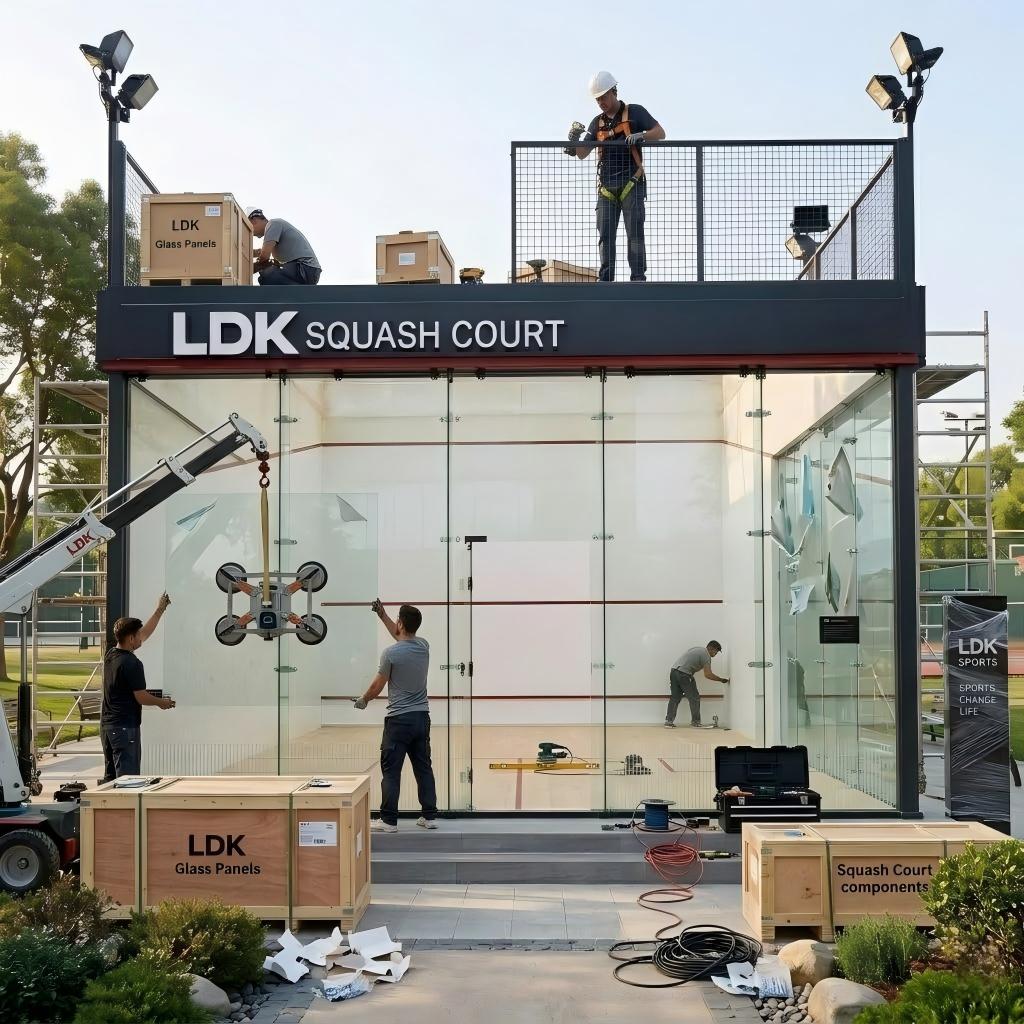
Stop restricting your athletic facility projects to dark, energy-intensive layouts. By working with a specialized sports infrastructure manufacturer to implement a smart natural lighting squash court design, you can build a sustainable, visually optimized venue that meets international playing standards while lowering long-term operating costs.
Explore LDK’s premium selection of customizable, modular sports courts and advanced lighting options today to bring your facility into the modern era of sustainable sports design.